
10 Warning Signs of Clogged Arteries You Should Never Ignore
Heart disease continues to be one of the leading causes of illness and death around the world, and clogged arteries are often a major contributor. Arteries play a critical role in keeping your body functioning properly by delivering oxygen-rich blood and essential nutrients to your organs and tissues. When these blood vessels become narrowed by plaque buildup, circulation becomes less efficient, increasing the risk of serious conditions such as heart attacks and strokes.
One of the biggest challenges is that clogged arteries often develop gradually over many years without causing obvious symptoms. In many cases, the body sends subtle warning signs long before a medical emergency occurs, but these signals are frequently dismissed as minor inconveniences.
Recognizing the early signs of poor circulation can help you seek medical attention sooner and take steps to protect your heart health. Here are ten symptoms that should never be overlooked.
1. Chest Pain or Pressure
Chest discomfort is one of the most recognized symptoms of reduced blood flow to the heart.
Many people describe the sensation as pressure, tightness, squeezing, or heaviness in the chest. The discomfort may also spread into the shoulders, arms, neck, back, or jaw. While some individuals mistake it for heartburn, indigestion, or stress, persistent chest pain can indicate that the heart is struggling to receive enough oxygen-rich blood.
The discomfort may appear during physical activity and ease with rest, or it may occur unexpectedly and become more severe over time.
Important: Any new, severe, or unexplained chest pain should be evaluated by a healthcare professional immediately.

2. Persistent Fatigue
Feeling tired after a long day is normal. Feeling exhausted for no clear reason is not.
When arteries become narrowed, the body must work harder to circulate blood efficiently. As a result, muscles and organs receive less oxygen, which can leave you feeling unusually drained.
You may notice that activities that once felt easy now require significantly more effort. Climbing stairs, carrying groceries, or even completing everyday tasks may leave you feeling depleted.
Unlike ordinary fatigue, this type of exhaustion often persists despite adequate rest and sleep.
Tip: Pay attention to fatigue that consistently worsens with physical activity.

3. Leg Pain While Walking
Blocked arteries don’t only affect the heart. Reduced circulation can also impact the legs and feet.
A common symptom is pain, cramping, or a heavy sensation in the legs during walking or exercise. The discomfort typically improves with rest and returns when activity resumes.
This condition, often associated with peripheral artery disease, can indicate widespread plaque buildup throughout the body.
Ignoring these symptoms may allow circulation problems to worsen over time.
Tip: Leg pain that repeatedly occurs during movement but disappears during rest should always be discussed with a doctor.

4. Shortness of Breath
Difficulty breathing can be another sign that your cardiovascular system is under strain.
When blood flow is restricted, the heart must work harder to deliver oxygen throughout the body. This extra effort may leave you feeling winded after mild activity or even during periods of rest.
Some people experience a sensation of chest tightness, while others simply feel unable to take a satisfying breath.
Although poor fitness levels can contribute to breathlessness, persistent or worsening symptoms deserve medical attention.
Tip: Sudden or severe shortness of breath should be treated as a medical emergency.

5. Numbness or Weakness in the Arms and Legs
Circulation problems can affect the brain and extremities as well as the heart.
If blood flow becomes restricted, you may experience numbness, tingling, weakness, or a loss of sensation in your arms or legs. In some cases, these symptoms affect only one side of the body.
Because these sensations may come and go, many people ignore them. However, they can signal an increased risk of stroke or other serious vascular conditions.
Tip: Seek immediate medical care if numbness is accompanied by confusion, slurred speech, facial drooping, or vision changes.

6. Cold Hands and Feet
Consistently cold hands or feet may be more than a reaction to chilly weather.
When blood circulation is reduced, less warm blood reaches the body’s extremities. This can leave fingers and toes feeling unusually cold, even in comfortable temperatures.
Some people also notice changes in skin color, including paleness or a bluish tint.
Although there are several possible causes of cold extremities, poor circulation should not be ruled out.
Tip: If one hand or foot is noticeably colder than the other, consult a healthcare provider.

7. Frequent Dizziness
The brain depends on a steady supply of oxygen-rich blood to function properly.
When circulation is compromised, you may experience dizziness, balance problems, lightheadedness, or even fainting episodes.
Because these symptoms can also result from dehydration, stress, or sudden changes in posture, they are often overlooked. However, recurring dizziness may indicate an underlying cardiovascular issue.
Tip: Repeated episodes of dizziness, especially when accompanied by other symptoms on this list, warrant medical evaluation.

8. Poor Sleep or Sleep Apnea
Your sleeping habits can reveal a surprising amount about your heart health.
Restricted blood flow and cardiovascular problems are often linked to sleep disorders, particularly sleep apnea. This condition causes breathing interruptions during sleep, leading to snoring, frequent awakenings, and daytime fatigue.
Over time, sleep apnea places additional strain on the heart and blood vessels, increasing the risk of cardiovascular complications.
Many people focus on the sleep symptoms without realizing there may be an underlying circulatory issue.
Tip: If you regularly wake up tired despite getting enough sleep, talk to your doctor about a sleep evaluation.

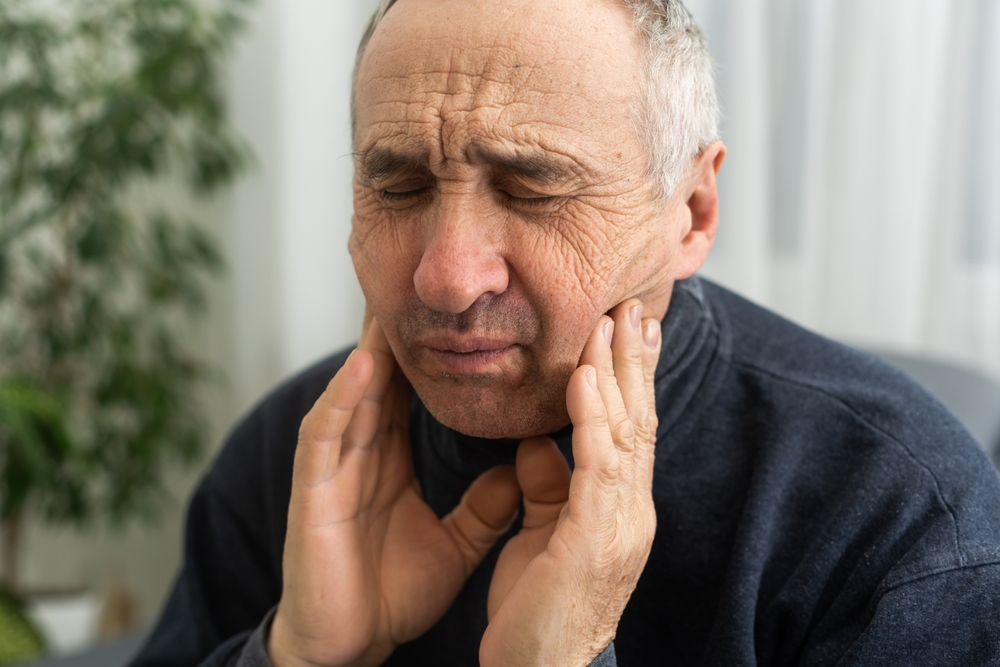
9. Jaw, Neck, or Shoulder Pain
Heart-related discomfort does not always appear in the chest.
In some cases, restricted blood flow can cause pain that radiates into the jaw, neck, shoulders, or upper back. Because these symptoms resemble muscle tension, dental problems, or everyday aches, they are often misinterpreted.
Women, in particular, are more likely to experience these less typical warning signs.
When unexplained pain occurs alongside fatigue, shortness of breath, or chest discomfort, it should not be ignored.
Tip: Persistent jaw or neck pain combined with other cardiovascular symptoms should be evaluated promptly.
10. Irregular Heartbeat or Palpitations
An abnormal heartbeat can sometimes signal circulation problems caused by narrowed arteries.
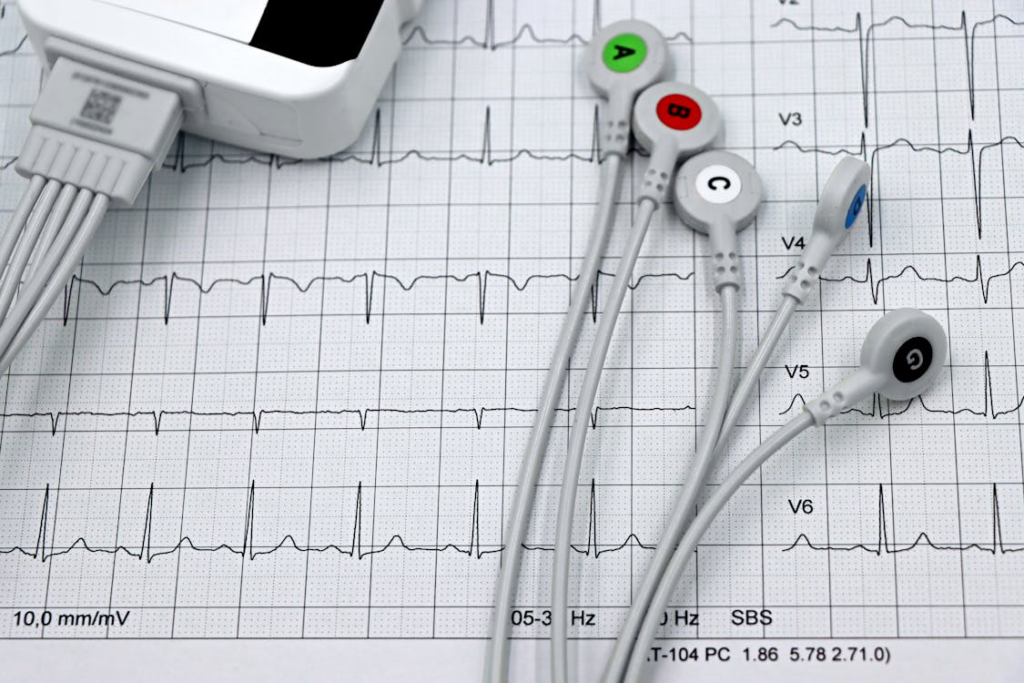
You may notice sensations such as fluttering, pounding, racing, or skipped heartbeats. While occasional palpitations can occur in healthy individuals, frequent or persistent changes in heart rhythm deserve attention.
An irregular heartbeat may indicate that the heart is working harder than normal to compensate for reduced blood flow.
Monitoring these symptoms can provide valuable clues about your cardiovascular health.
Tip: Keep a record of when palpitations occur and discuss recurring episodes with your healthcare provider.
Protecting Your Heart Starts With Awareness
Clogged arteries typically develop over time, which means there is often an opportunity to intervene before serious complications occur. The challenge is recognizing the warning signs early enough to take action.
Many symptoms associated with poor circulation can be mistaken for everyday issues such as stress, aging, fatigue, or lack of fitness. However, persistent or unexplained symptoms should never be dismissed.
Regular medical checkups, a heart-healthy diet, physical activity, maintaining a healthy weight, and avoiding smoking are all effective ways to reduce the risk of artery blockage and cardiovascular disease.
Your body often provides warning signs long before a crisis occurs. Paying attention to those signals and seeking professional advice when something feels wrong could make a life-changing difference.
Medical Disclaimer: This article is intended for informational and educational purposes only and should not be considered medical advice. It is not a substitute for professional diagnosis, treatment, or care from a qualified healthcare provider. If you experience symptoms that may indicate a heart or circulatory condition, seek medical attention promptly.


